Residential Solar System
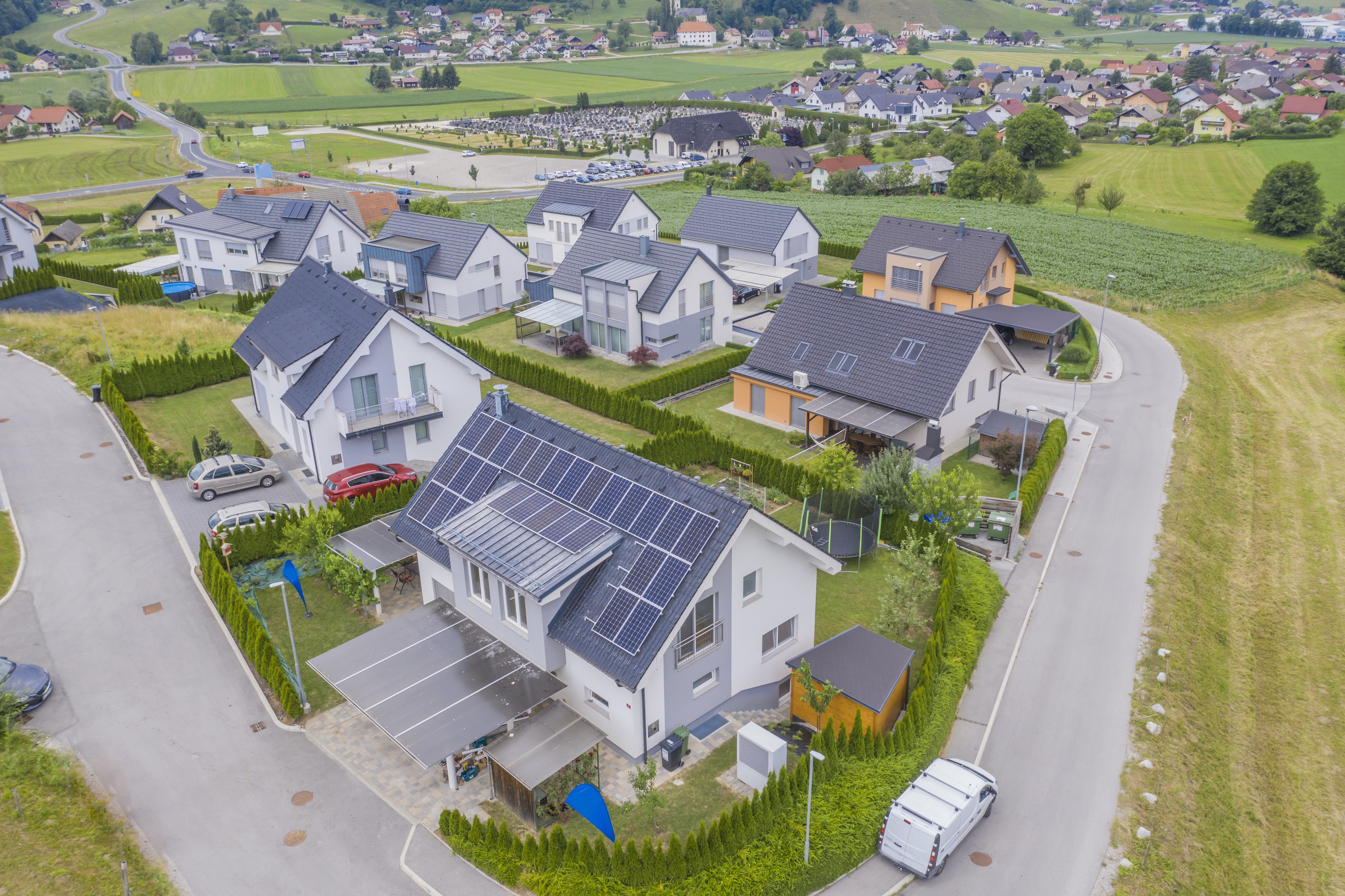
A Residential Solar System is a sustainable energy solution designed to provide clean and renewable electricity to households. This system utilizes the abundant energy of the sun to generate power, reducing dependency on conventional energy sources and lowering electricity costs over time. By converting sunlight into usable electricity, residential solar systems contribute to a greener environment while offering financial and energy security benefits to homeowners.
Key Components of a Residential Solar System
Solar Panels (Photovoltaic Modules):
Solar panels are the heart of a solar system, made up of photovoltaic (PV) cells that capture sunlight and convert it into direct current (DC) electricity. They are typically mounted on rooftops or ground arrays, oriented to maximize exposure to sunlight throughout the day.
Inverter:
The inverter plays a critical role by converting the DC electricity generated by the solar panels into alternating current (AC) electricity, which is compatible with home appliances and the grid.
Battery Storage System (Optional):
A battery system stores excess electricity generated during the day for use at night or during power outages. This feature is especially useful for off-grid or hybrid systems and in areas with unreliable grid power.
Mounting Structure:
The mounting system securely positions the solar panels, ensuring durability and optimal tilt angles for efficient sunlight absorption.
Monitoring System:
Modern solar systems often include a monitoring system that allows homeowners to track the system’s performance, energy production, and usage in real time through mobile apps or online platforms.
Electrical Components:
Wiring, fuses, and breakers connect the components and ensure safe operation.
Types of Residential Solar Systems
Grid-Tied Systems:
These systems are connected to the local electricity grid. Excess energy generated by the solar panels is fed back into the grid, often resulting in credits or compensation under net metering policies. They do not require battery storage, making them cost-effective and simple to maintain.
Off-Grid Systems:
Designed for complete energy independence, off-grid systems rely on battery storage to supply electricity during periods without sunlight. These systems are ideal for remote areas without access to the grid.
Hybrid Systems:
A combination of grid-tied and off-grid systems, hybrids include battery storage but also maintain a connection to the grid for backup or additional power supply. They offer flexibility and reliability, especially during outages.
Benefits of Residential Solar Systems
Cost Savings:
Solar systems significantly reduce or even eliminate monthly electricity bills, offering long-term financial benefits despite the upfront investment.
Environmental Impact:
By using renewable energy, solar systems help reduce greenhouse gas emissions, lowering the household’s carbon footprint.
Energy Independence:
Homeowners can reduce their reliance on the grid and volatile energy prices, gaining more control over their energy supply.
Property Value Increase:
Homes equipped with solar systems often have higher resale values due to their energy efficiency and lower operational costs.
Incentives and Rebates:
Many governments and local authorities offer tax credits, rebates, and incentives to encourage the adoption of solar technology, making it more affordable for homeowners.
Considerations Before Installation
Location and Roof Suitability:
The efficiency of a solar system depends on factors such as roof angle, orientation, shading, and local weather conditions.
System Size:
Determining the right system size involves analyzing the household’s energy consumption and available roof space.
Costs and Financing Options:
Although solar systems require an upfront investment, options such as loans, leases, power purchase agreements (PPAs), and government incentives can help offset the costs.
Maintenance:
Residential solar systems are generally low-maintenance, requiring periodic cleaning of panels and inspections to ensure optimal performance.
Conclusion
Residential solar systems are a transformative step toward sustainable living, combining environmental responsibility with economic benefits. Whether grid-tied, off-grid, or hybrid, these systems empower homeowners to generate their own electricity, save money, and contribute to a cleaner future. With advancements in technology and increasing affordability, solar power has become an accessible and practical choice for households worldwide.